
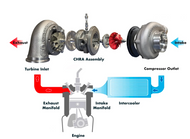
Turbo vs Non-Turbo Mazda RX-7 (Which Is Better?)
Posted by Rotary Bum on Mar 25th 2026
? Turbo or non-turbo?
Both versions deliver the unique high-revving experience that rotary engines are known for—but they offer completely different driving experiences, costs, and ownership demands.
In this guide, we’ll break down everything you need to know so you can choose the right RX-7 for your goals.
⚙️ Understanding the Difference
Before we compare them, let’s clarify what separates turbo and non-turbo RX-7s.
Non-Turbo RX-7 (NA)
Naturally aspirated RX-7s rely on airflow alone—no forced induction.
Found in:
- FB (1st gen)
- FC (base models)
Turbo RX-7
Turbocharged RX-7s use forced induction to increase power.
Found in:
- FC Turbo II
- FD RX-7 (twin-turbo)
? Performance Comparison
Power Output
Non-Turbo RX-7
- ~100–160 horsepower (depending on generation)
- Smooth, linear power delivery
- Less aggressive acceleration
Turbo RX-7
- ~180–280+ horsepower (stock FD)
- Explosive acceleration
- Massive tuning potential
? Winner: Turbo RX-7
There’s no contest here—turbo models deliver significantly more power and speed.
Driving Feel
Non-Turbo
- Lightweight and balanced
- Predictable throttle response
- Great for learning rotary driving
Turbo
- Sudden boost (especially FD twin-turbo)
- More exciting—but less forgiving
- Requires more driver control
? Winner: Depends on driver
- Beginners → Non-turbo
- Enthusiasts → Turbo
? Cost of Ownership
Purchase Price (2026 Market)
- Non-Turbo RX-7: $10K – $25K
- Turbo RX-7: $20K – $70K+
Turbo models—especially FD RX-7s—are significantly more expensive due to demand and performance.
Maintenance Costs
Non-Turbo RX-7
Pros:
- Simpler engine setup
- Fewer parts to fail
- Lower repair costs
Turbo RX-7
Cons:
- More heat
- More complexity
- Turbo system maintenance
? Winner: Non-Turbo RX-7
If you want a simpler ownership experience, NA models are easier to maintain.
? Reliability: Which One Lasts Longer?
This is where things get interesting.
Non-Turbo RX-7 Reliability
- Lower stress on engine
- Less heat buildup
- Generally longer lifespan
Turbo RX-7 Reliability
- Higher temperatures
- More pressure on internal components
- Requires stricter maintenance
? Winner: Non-Turbo (on average)
BUT—this comes with a big caveat:
? Maintenance matters more than turbo vs non-turbo
? The Real Factor: Rotary Engine Care
Whether turbo or non-turbo, every RX-7 depends on one critical thing:
? Proper lubrication
Rotary engines rely on oil inside the combustion chamber to protect apex seals.
Turbo engines, in particular, create:
- Higher heat
- Higher RPM stress
- Increased wear potential
That means lubrication becomes even more important.
Why Turbo RX-7s Need Extra Attention
Turbocharged rotary engines operate under more extreme conditions.
Without proper lubrication, this can lead to:
- Apex seal wear
- Compression loss
- Expensive rebuilds
This is why many experienced owners—especially turbo RX-7 drivers—choose to premix fuel with two-stroke oil.
Premixing: The Equalizer
Premixing adds additional lubrication directly into the combustion process.
Benefits include:
- Better seal protection
- Reduced wear at high RPM
- Improved engine longevity
For turbo RX-7 owners, this isn’t just a recommendation—it’s often considered essential.
Making Premixing Simple
One challenge many RX-7 owners face is:
? Messy bottles
? Guessing ratios
? Spilling oil at the pump
That’s why experienced rotary owners often use measured premix systems to keep things consistent and clean.
Consistency is key when protecting a high-performance rotary engine—especially a turbocharged one.
? Which RX-7 Should You Buy?
Let’s simplify it:
Choose a Non-Turbo RX-7 if you want:
✔ Lower cost
✔ Easier maintenance
✔ Simpler ownership
✔ A great entry into rotary cars
Choose a Turbo RX-7 if you want:
✔ Maximum performance
✔ Tuning potential
✔ Collector value
✔ The “true” RX-7 experience
⚖️ Final Verdict
So—turbo vs non-turbo RX-7… which is better?
? There’s no one-size-fits-all answer.
- Non-turbo RX-7 = reliability + simplicity
- Turbo RX-7 = performance + excitement
But here’s the truth most people overlook:
? The best RX-7 isn’t turbo or non-turbo…
…it’s the one that’s properly maintained.
? Final Takeaway
No matter which RX-7 you choose, your long-term experience will come down to:
- Maintenance habits
- Engine care
- Lubrication consistency
Because in the world of rotary engines:
? How you maintain it matters more than what you buy.